
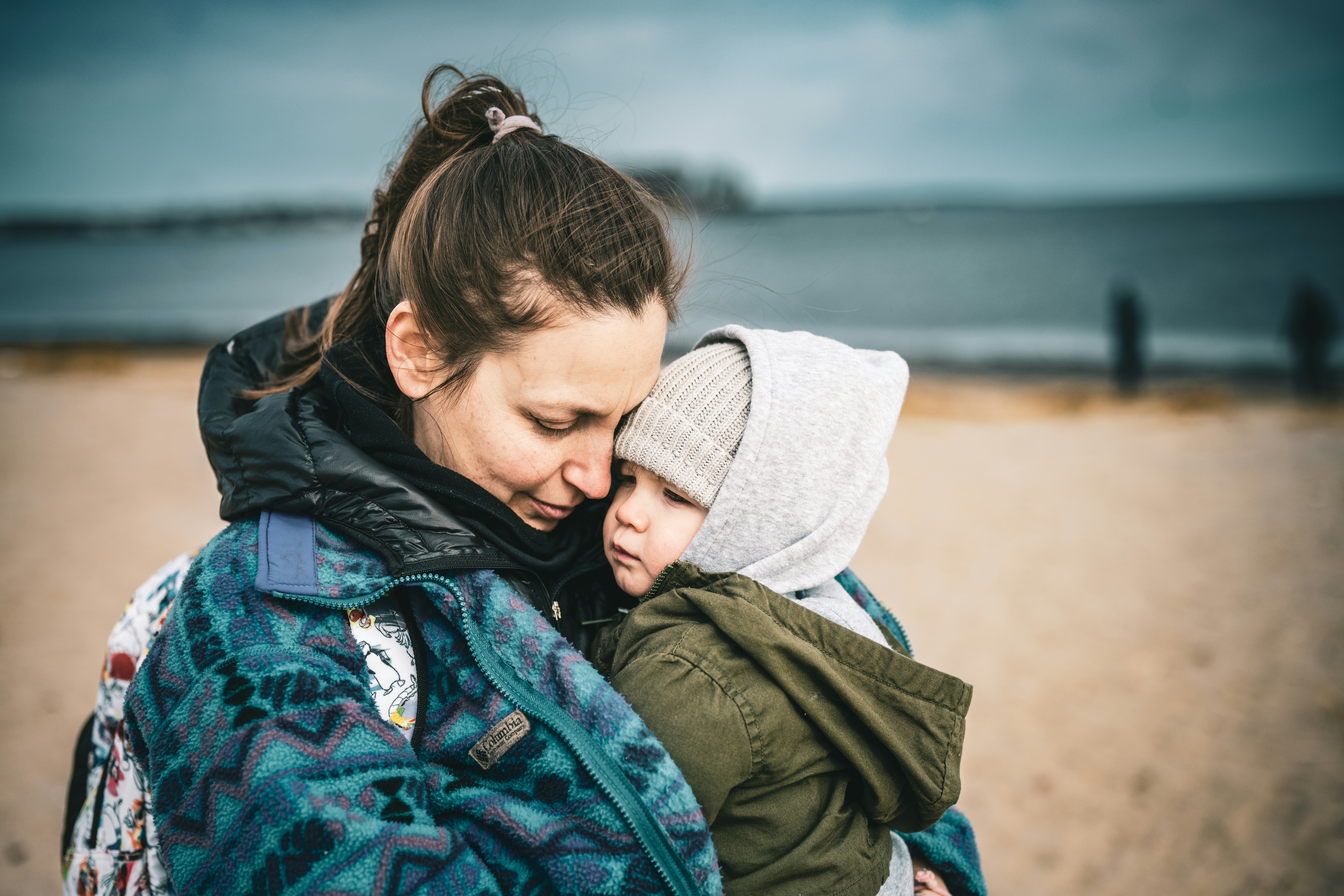

As I observe my children growing up, I realize that they are learning everything for the first time. At the same time, we as parents are also learning, because every child has a unique character, personality, and way of thinking. Parenting is not just about teaching children; it is also a journey of learning and adapting as we watch them grow into individuals.
1. Early Childhood (0–10 Years)
Until the age of about 9 or 10, children generally respond with “okay” to most of what their parents say. They may ask questions to understand the reason behind a decision, but they rarely say “no” directly. During this stage, parents are their primary source of knowledge, guidance, and security. Children tend to trust what they are told and follow instructions with relatively little resistance.
2. Growing Independence and Decision-Making (10–25+ Years)
After this age, children begin to interpret what we say and form their own opinions. They start asking more questions, analyzing situations, and responding based on their understanding rather than simply accepting what they are told. At times, their views may differ from ours, and occasionally they may take a position completely opposite to what we expected.
As parents, it is important to understand their perspective rather than forcing our decisions upon them. This is the stage when they are learning to think independently and make their own choices. In many cases, this process continues through their teenage years and even into their twenties. What may appear as disagreement is often part of their journey toward becoming independent individuals. Our role gradually changes from directing them to guiding them, helping them make better decisions while respecting their growing ability to think for themselves.
3. Emotional Growth and Self-Reliance (0–10 Years and Beyond)
Until around the age of 9 or 10, both my son and daughter often sought comfort and security while sleeping. If my son moved away from me during the night, I would gently touch him and softly call him, saying, “Come and lay down on the pillow.” He would immediately move closer and rest on my arm. Sleeping on my arm seemed to give him comfort and reassurance.
My daughter was very similar. Until around the same age, she also preferred sleeping on my arm and staying close to me while sleeping. It was a sign of the trust, comfort, and sense of security that children naturally seek from their parents.
However, after this age, I noticed a gradual change in both of them. My son no longer responded as he once did when I called him during the night, and he became comfortable sleeping on his own. Likewise, my daughter gradually stopped sleeping on my arm and began sleeping independently in her own bed.
These changes may seem small, but they are meaningful milestones in a child’s growth. The comfort and security they once found in their parents’ arms slowly transform into confidence and independence within themselves. As parents, we may miss those moments, but they remind us that our children are steadily growing into individuals capable of standing on their own.
Conclusion
These experiences have taught me that childhood is a journey of learning and growth not only for children but also for parents. Every stage brings new challenges, new lessons, and new ways of understanding one another. As children grow, our role evolves—from providing constant guidance and comfort, to offering understanding, support, and trust. The goal is not to hold them close forever, but to prepare them to walk confidently through life while knowing that their parents will always be there for them.
Note:
This article is a personal reflection based on my experiences and observations as a parent. Every child is unique, and their growth, behavior, and development may differ. The thoughts shared here are intended as personal observations rather than professional advice or a universal guide to parenting.


